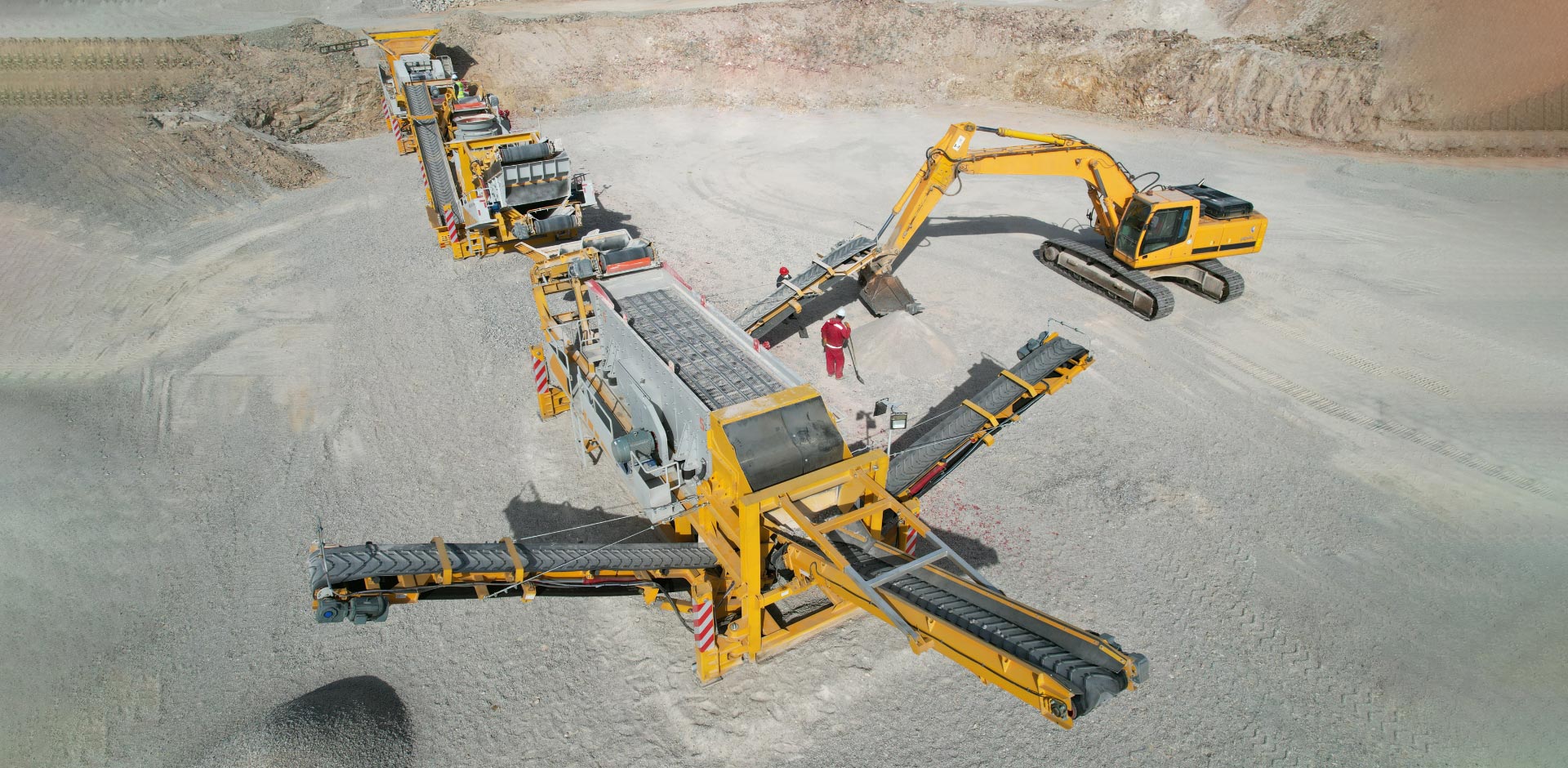
The silence of a stopped project is expensive. You know the heap of broken concrete isn’t just debris; it’s latent liquidity. Yet, the upfront tariff for a mobile crusher can induce sticker shock. Owners constantly ask for a singular date—the day the machine stops being a cost and starts printing profit. The answer isn’t a guess; it’s a brutal equation of tonnage, tipping fees, and downstream revenue. Let’s cut the metaphysical noise. We are here to calculate the precise inflection point where your asset flips from liability to annuity.
The Calculus of Comminution: Beyond the Sticker Price
Most buyers hyperventilate over the initial invoice. That is a mistake. True cost accounting requires dissecting the alternative: what are you paying to *not* own the crusher? Haulage rates have become extortionate. Dump fees at landfills are rising faster than inflation. Moreover, virgin aggregate costs are volatile. A mobile rig eliminates three hemorrhaging expenses simultaneously. You retain the material, process it *in situ*, and sell the resultant base rock. The payback clock starts the moment you eliminate the first dump truck.
The Vanishing Act of Haulage and Tipping Fees
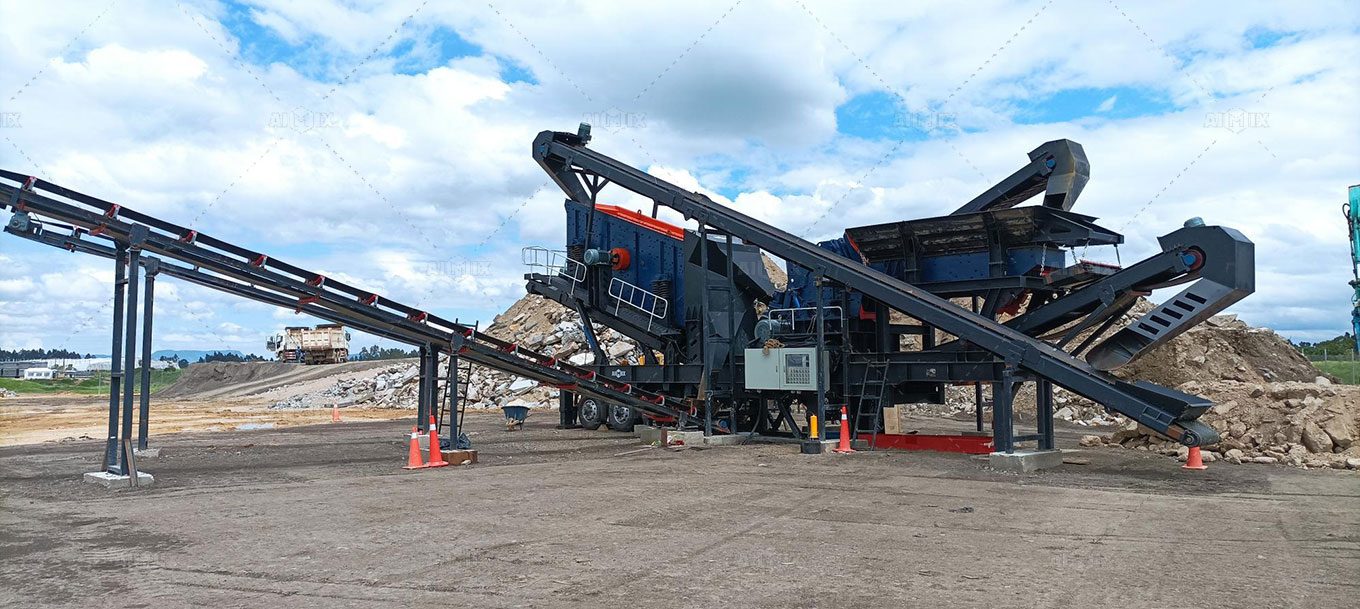
Consider your current waste stream. You pay a loader to fill a truck. The truck drives fifty miles. The landfill charges you per ton to swallow your rubble. Then you pay for virgin stone to be delivered back to the site. It is a vortex of stupidity. A mobile concrete crusher parks on the rubble. It chews the waste and immediately stockpiles usable product. If your local tipping fee is $40 per ton and you process 200 tons daily, you’ve theoretically saved $8,000 that single day. This is the core mechanic of rapid depreciation recapture.
Constructing the Payback Calculator: Inputs vs. Irritants
Math does not lie, but optimistic assumptions do. To find your break-even date, gather three hard numbers: your weekly tonnage, your local aggregate price, and your operating overhead (fuel, wear parts, labor). A simplistic rule suggests 1,000 to 5,000 hours of operation. However, nuance matters. Are you crushing reinforced concrete or clean block? Rebar destroys wear parts faster. Material hardness varies. A machine paying for itself in six months on highway demolition might take two years on sporadic residential work. Be merciless with your variables.
Throughput Velocity and The Resale Factor
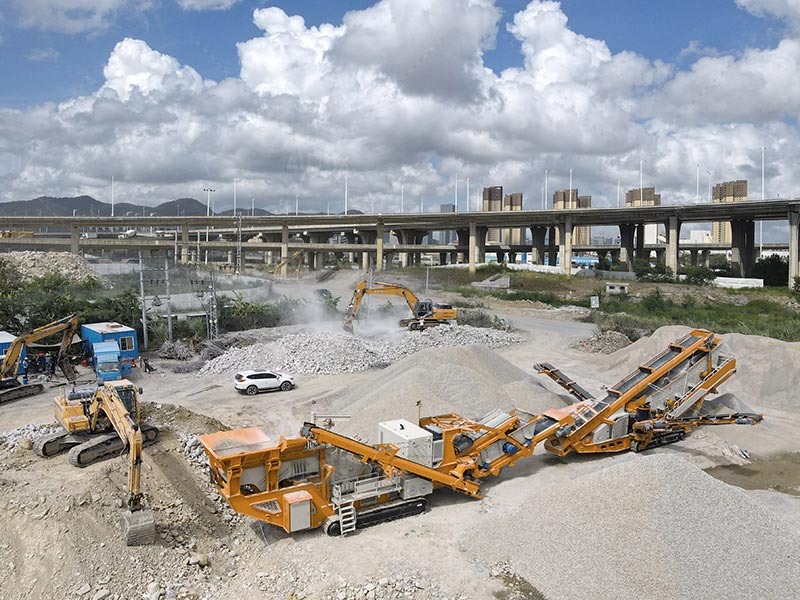
Speed kills costs. A crusher producing 150 tons per hour (tph) versus a 50 tph unit changes the arithmetic overnight. Yet, do not ignore residual value. Unlike a worn-out truck, quality mobile impact crushers retain significant liquidity. Some owners sell the unit after one heavy project, recouping 70% of the purchase price. In this scenario, the “payback” occurs the moment the machine touches the material, because you are just renting the equity. Factor salvage value into your calculator; it shortens the break-even window drastically.
Accelerating the Inflection Point: Strategic Arbitrage
Waiting for passive payback is passive thinking. Aggressive owners accelerate the timeline through toll crushing. Offer to process a neighbor’s demolition waste for a fee, then keep the crushed product to sell. You are getting paid to take their problem, then getting paid again for the solution. This dual-revenue stream collapses the payback period. Furthermore, bid on jobs requiring fill material. Produce your own spec-granular subbase at marginal cost, undercutting quarries by 40% while maintaining your margin. That is a vicious competitive moat.
Opportunity Cost as a Catalyst
Do not ignore what the machine enables. Without a crusher, you decline specific bids—jobs with high concrete waste but low disposal access. With a mobile unit, you accept those bids with predatory pricing. The stone crusher machine pays for itself by unlocking contracts you previously walked away from. That hidden revenue stream is the ghost in the calculator. If the unit allows you to secure a $500,000 highway subgrade contract you otherwise couldn’t touch, the payback occurs on the signing of that deal. Weigh that lift.
Ultimately, the payback date is a function of your aggression. A dormant machine is a monument to fiscal incompetence. When the crusher processes its first ton of debris, it begins erasing its own cost. Track your hours ruthlessly. Compare tonnage against avoided dump fees. Most owners find the machine neutralizes its purchase price within 300 to 800 operating hours. After that, every crushed stone is profit. The math is clean; the execution is brutal. Get to work.