Railway upgrades rarely consist of one uninterrupted concrete operation. Instead, contractors may work through a succession of small foundations, equipment pads, drainage structures, cable-route crossings, platform repairs, retaining elements, and trackside structures. These pours can be modest in volume but demanding in execution because access is restricted and construction activities often have to fit around railway operations, possession windows, existing infrastructure, and other trades. The challenge is therefore not simply how much concrete is required. Contractors must determine how concrete can reach the work zone, how quickly it can be placed, and how equipment can be positioned without obstructing the railway corridor.
For Australian railway projects, this logistical distinction is particularly important. A small concrete pour may not justify a large concrete delivery and pumping arrangement, yet manual handling can introduce additional labor and placement limitations. The practical approach is to match the concrete supply and pumping system to the size, location, access conditions, and timing of each pour. Concrete pump portable, pipeline reach, setup footprint, cleaning requirements, and relocation time can all influence the productivity of a seemingly minor concrete operation.
Why Small Railway Pours Require Careful Planning
Railway Access Is Often More Restrictive Than the Concrete Volume Suggests
A foundation requiring only a few cubic metres of concrete may still be located beyond a narrow access route or inside a fenced railway corridor. Existing tracks, overhead infrastructure, signalling equipment, platforms, and temporary barriers can limit where a concrete truck or pump can stand. The work area may also be separated from the nearest suitable vehicle access point.
This means contractors should assess the complete delivery route rather than judging the job solely by concrete quantity. The distance from the truck to the discharge point, the available setup area, and the route for workers and equipment all influence the practical pumping arrangement.
Possession Windows Make Placement Efficiency Important
Railway construction often operates within predetermined access windows. Crews may have only a limited period to complete excavation, reinforcement, concrete placement, finishing, and site reinstatement before the corridor must be cleared. Delays therefore have consequences beyond the concrete crew itself.
Preparation Reduces Lost Working Time
Before concrete arrives, contractors can establish the pump position, pipeline route, reinforcement, formwork, access path, and discharge sequence. This turns the concrete pour into a controlled operation rather than an improvised activity. Small pours benefit particularly from this preparation because setup and relocation can otherwise consume a disproportionately large share of the available work window.
Select Pumping Equipment According to the Work Area
Trailer Pumps Can Separate Truck Access From the Pouring Point
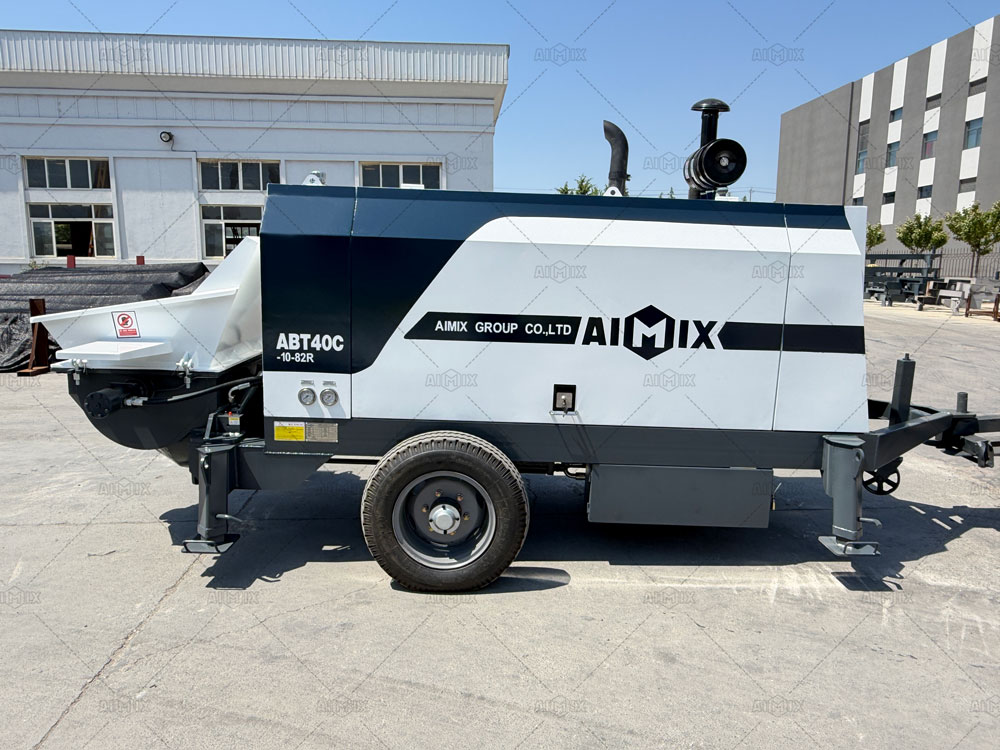
When the concrete delivery truck cannot approach the railway structure directly, a trailer-mounted pumping system can bridge the gap. Contractors evaluating concrete trailer pumps for sale Australia may compare pumping output, pressure, pipeline configuration, portability, and the physical footprint of the equipment rather than focusing only on maximum capacity.
A trailer pump can remain at an accessible position while concrete travels through a pipeline toward the foundation, drainage structure, equipment base, or other trackside work area. This separation between delivery vehicle and placement point can simplify operations where direct truck access is impractical.
Line Pumps Suit Repeated Pipeline-Based Placement
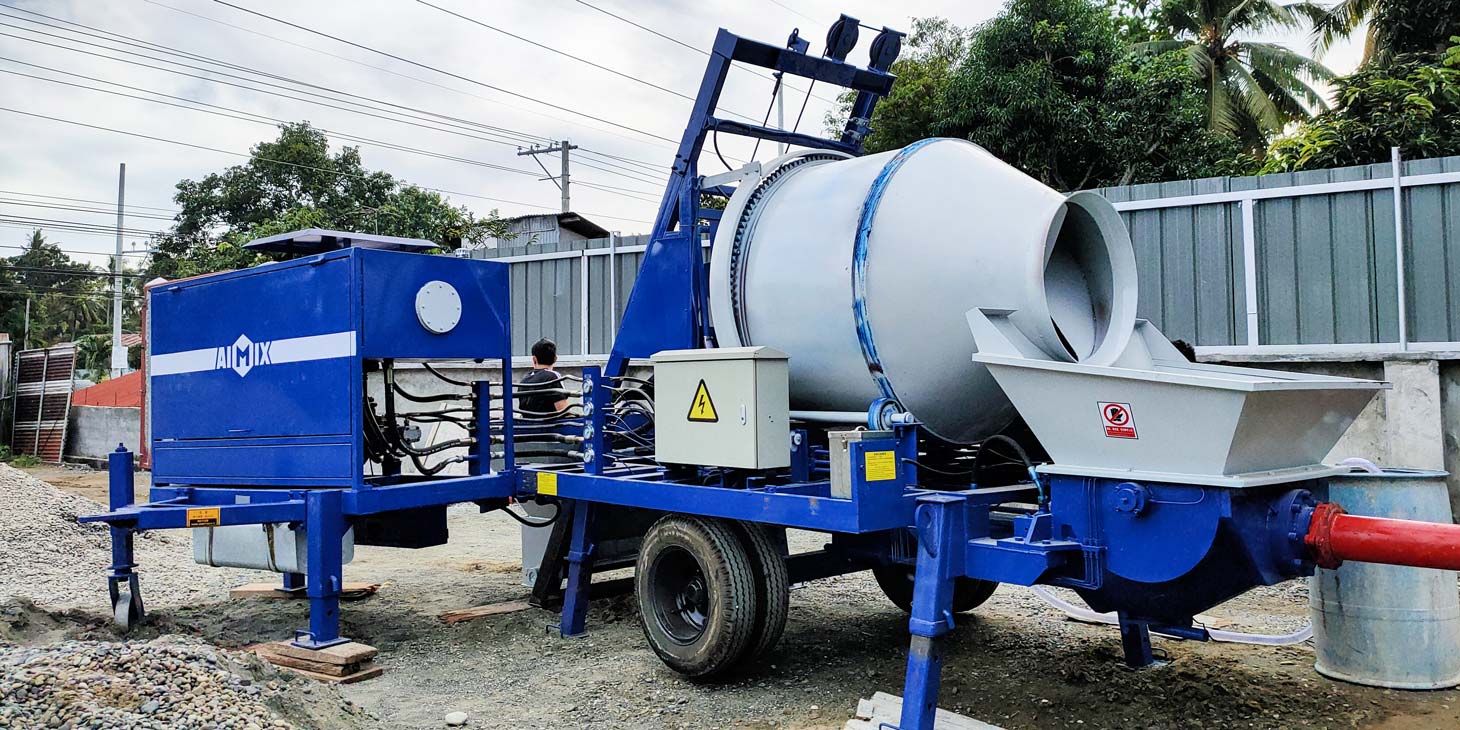
Railway upgrade projects can involve long, narrow work zones where concrete needs to move along a defined route rather than being discharged directly from a truck. Contractors comparing concrete line pumps for sale Australia should consider the intended pumping distance, aggregate characteristics, pipe diameter, expected output, and the frequency with which the pump must be relocated.
Pipeline Geometry Should Be Planned Before Equipment Arrival
A pipeline should follow the most practical route to the placement point while avoiding unnecessary bends, unstable supports, and interference with railway infrastructure. Every additional change in direction can affect pumping conditions and complicate installation. The route should therefore be mapped alongside the work sequence rather than treated as an afterthought.
Match Pump Capacity to Small-Pour Requirements
Smaller Equipment Can Reduce Setup Burden
A large pump is not automatically appropriate for a small railway pour. High output can be useful for major structural placements, but a compact project may have limited concrete supply, a small placing crew, and restricted working space. Excess capacity can create an imbalance between pumping speed and the crew’s ability to place and consolidate the concrete.
For this reason, contractors may investigate small concrete pumps sale in Australia when working on modest foundations, drainage components, cable-trench structures, equipment bases, or repair sections. The objective is to find a pump whose output and physical dimensions correspond with the actual job rather than simply selecting the largest available unit.
Concrete Supply Must Keep Pace With Pumping
A pump can only maintain productive operation when concrete arrives at an appropriate rate. If delivery is interrupted, the pumping process may need to pause. Conversely, if concrete arrives faster than the crew can place it, congestion can develop around the discharge point.
Pour Volume and Duration Provide a Better Capacity Reference
Contractors can estimate the required pumping rate by considering the total concrete volume, available possession window, crew size, and expected interruptions. For example, a small equipment foundation may require a different operational rhythm from a longer drainage channel even if both involve similar quantities of concrete. Capacity should therefore be linked to the entire placement sequence
Manage Concrete Placement Around Existing Railway Infrastructure
Protect Trackside Assets During the Pour
Railway upgrades often take place beside infrastructure that remains in service or must be preserved for later connection. Concrete hoses and pipelines should not obstruct access routes, damage nearby components, or interfere with temporary protection systems. Equipment positioning should also account for emergency movement and the safe passage of workers.
Concrete Placement Requires Controlled Discharge
Small structural elements can have dense reinforcement or narrow forms, making controlled concrete placement important. Excessive discharge velocity may make consolidation more difficult, while an inefficient sequence can leave sections of the formwork inadequately filled. The crew should maintain a deliberate placement pattern and use suitable consolidation methods for the structure.
Finishing and Curing Still Matter on Small Pours
The limited volume of a pour does not reduce the importance of concrete quality. Trackside foundations, equipment slabs, drainage structures, and other railway components can be exposed to weather, vibration, repeated loading, and environmental changes. Proper finishing, curing, and protection should therefore remain part of the planned work sequence rather than being treated as secondary tasks.
Reduce Relocation Time Between Railway Work Zones
Mobility Becomes Valuable When Pours Are Distributed
Railway upgrades frequently involve several small work fronts rather than one centralized construction area. A pump may be required at one foundation in the morning and another location later in the project sequence. Equipment that can be transported and repositioned without an elaborate setup process can reduce non-productive time between pours.
Cleaning and Pipeline Handling Should Be Included in the Schedule
Concrete pumping does not end when the final cubic metre enters the formwork. Residual concrete in the pipeline must be managed, hoses and pipes must be cleaned, and equipment must be prepared for its next location. On railway projects with narrow possession windows, these activities should be incorporated into the work plan from the beginning.
Small Pours Benefit From a Repeatable Workflow
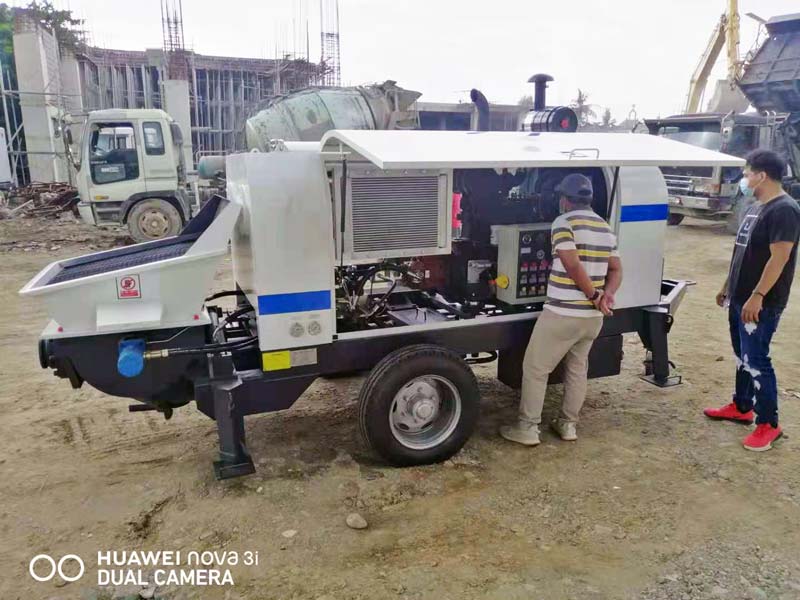
A repeatable sequence can make distributed railway work more predictable: inspect access, position the pump, establish the pipeline, receive concrete, place and consolidate the concrete, clean the system, and relocate concrete pumping machine. Once this sequence becomes standardized, crews can adapt it to different foundations and trackside structures without redesigning the entire operation for every pour.
Managing small concrete pours during railway upgrades is fundamentally a logistical exercise. Concrete volume is only one variable. Access, possession windows, pumping distance, pipeline geometry, equipment footprint, delivery continuity, and relocation requirements can have an equally significant influence on productivity. By selecting pumping equipment around the actual placement route and integrating setup, pumping, finishing, cleaning, and relocation into one workflow, contractors can handle numerous small concrete operations without allowing each pour to become a separate logistical bottleneck.