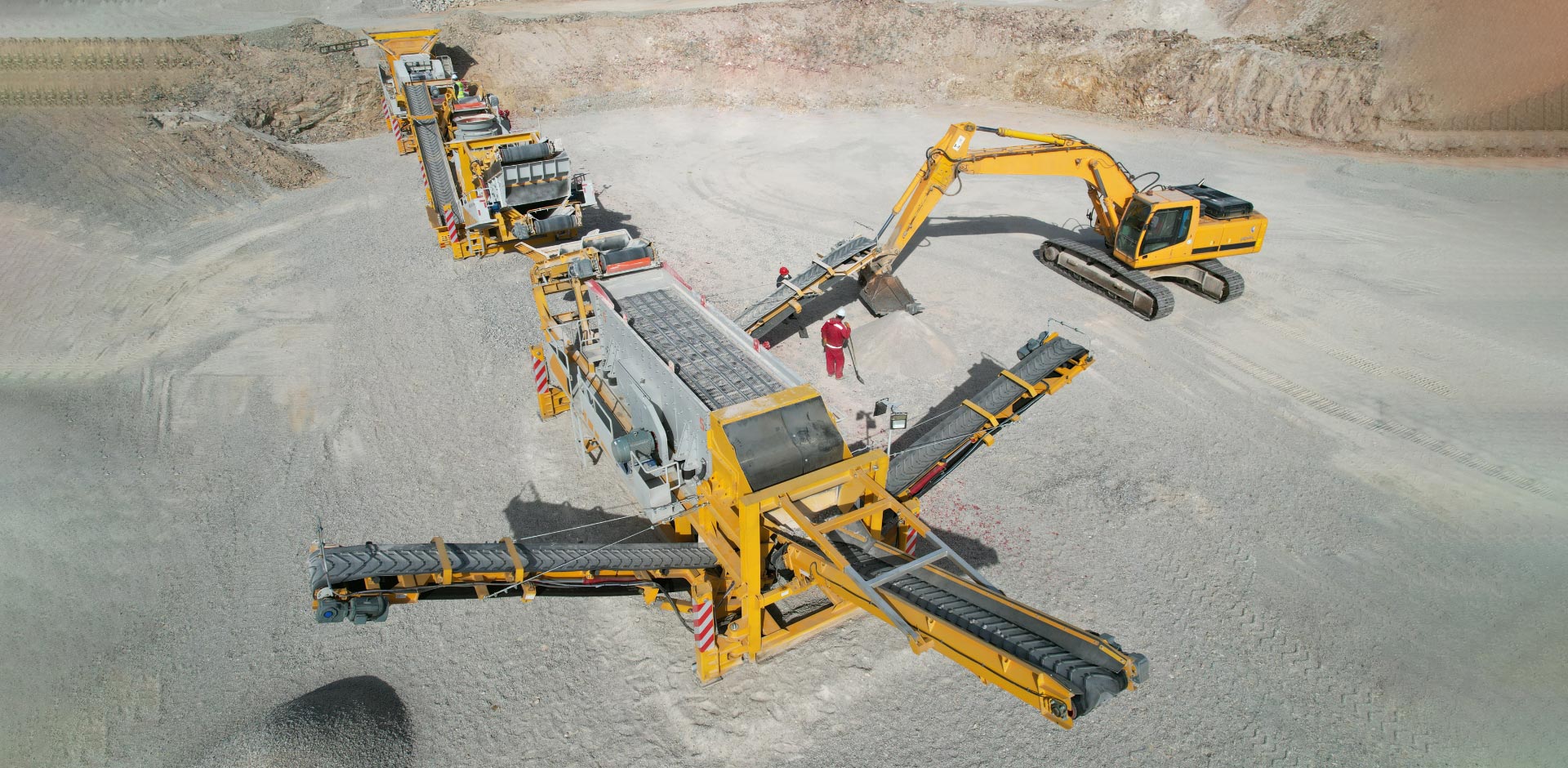
A mobile crushing plant may be advertised with an impressive hourly capacity, but rated output does not always represent what a project can actually produce. Real productivity depends on equipment utilization, material supply, feeding consistency, crusher configuration, operator management, and site conditions. For contractors and quarry operators, understanding the gap between theoretical capacity and actual production is essential for controlling cost per ton and improving overall project profitability.
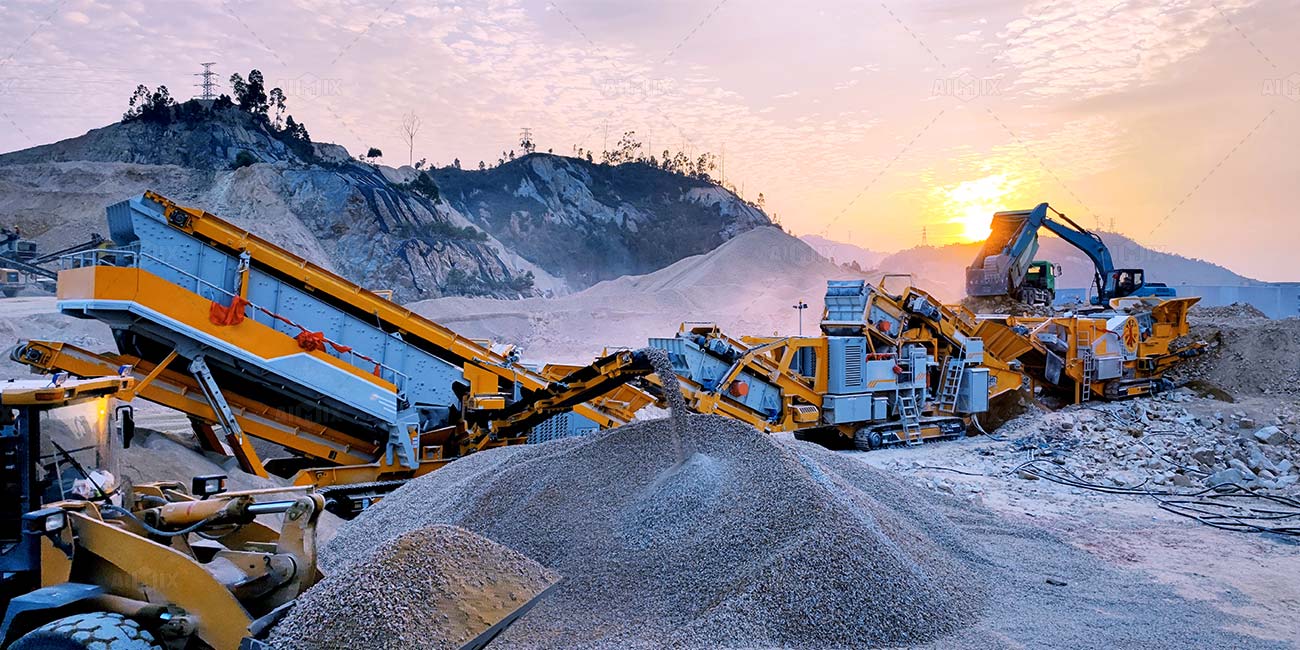
Rated Capacity Does Not Equal Actual Production
The rated capacity of a mobile crushing plant usually represents the maximum or reference throughput under specific operating conditions. However, real projects rarely provide such ideal conditions continuously. Variations in feed size, rock hardness, moisture content, material flow, and equipment availability can all reduce actual production.
For example, a plant rated at 300 tons per hour may theoretically process 2,400 tons during an eight-hour shift. In practice, the plant may operate below its rated capacity because of irregular feeding, material blockages, adjustment periods, maintenance, or downstream screening limitations. The actual daily output could therefore be significantly lower than the simple capacity calculation suggests.
This is why equipment utilization is often a more meaningful productivity indicator. A slightly smaller plant that operates consistently may produce more saleable aggregate over a month than a larger plant that frequently operates below its potential.
What Determines Mobile Crushing Plant Utilization?
Equipment utilization refers to how effectively available operating time and production capacity are converted into actual output. Several factors influence this performance.
Material supply is one of the most important. A crusher cannot maintain high utilization if excavators, loaders, or haul trucks cannot continuously supply feed material. Similarly, excessive oversize rock or inconsistent feed distribution can cause interruptions and reduce throughput.
Site organization also matters. Stockpile locations, internal transportation routes, conveyor arrangements, and finished-product handling all affect the continuity of the crushing process. If trucks need to wait for loading or finished aggregate cannot be moved away quickly enough, the crusher may sit idle even though the machine itself is fully operational.
Maintenance planning is another critical factor. Preventive maintenance may temporarily reduce operating hours, but it can prevent much longer unplanned downtime. A plant with a structured maintenance schedule can often achieve more stable long-term utilization than one operated continuously until a major failure occurs.
Choosing the Right Crusher for Utilization
Crusher selection should be based on both material characteristics and the complete production process. Different crusher types can influence how efficiently a mobile crushing plant operates.
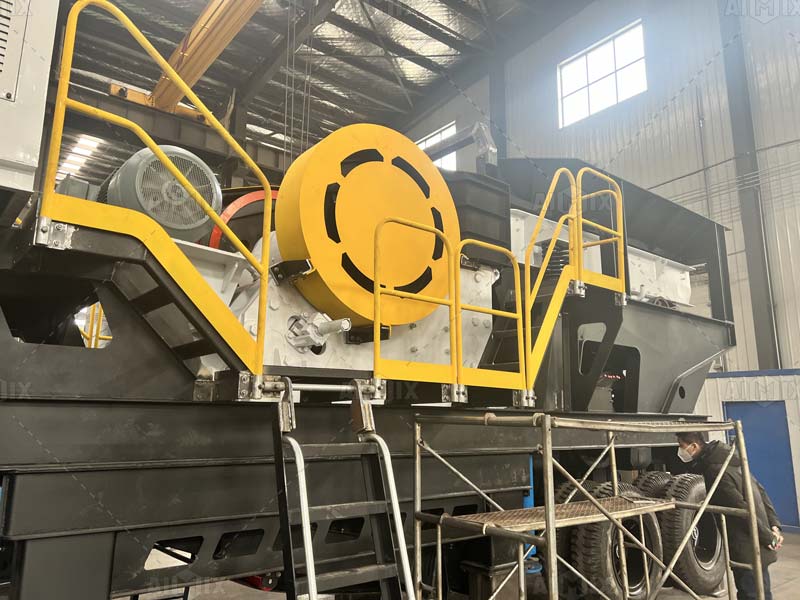
A mobile jaw crushing plant is commonly used for primary crushing, especially when processing large feed materials and hard rock. Its ability to accept relatively large pieces of material makes it suitable for quarrying and infrastructure projects. However, consistent feeding and proper control of the feed size are still necessary to maintain stable production.
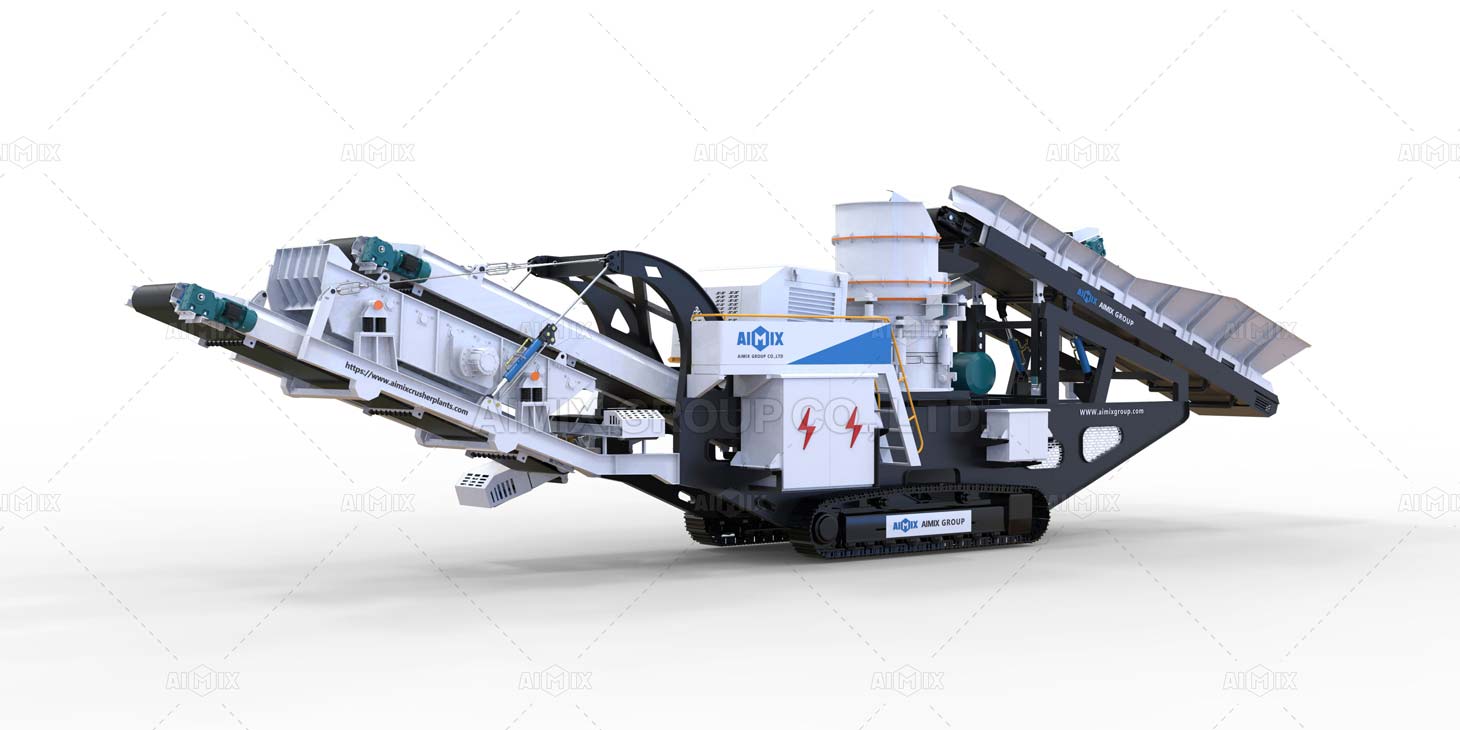
A mobile cone crushing plant is often used for secondary or tertiary crushing when a more controlled particle size and higher-quality aggregate are required. Its productivity depends heavily on correct feed gradation, closed-side setting, liner condition, and continuous material circulation. If the upstream crusher does not provide a suitable feed, the cone crusher may operate far below its potential.
A mobile impact crushing plant is particularly useful for materials where particle shape and reduction ratio are important, including many recycling and aggregate applications. Its productivity can be affected by material hardness, moisture, feed size, and wear condition. Matching the impact crusher to the material is therefore essential for maintaining utilization without excessive wear or energy consumption.
Feeding Consistency Is a Productivity Multiplier
One of the simplest ways to improve crushing productivity is to stabilize the feed. A crusher performs more efficiently when material enters the chamber at a relatively consistent rate and distribution.
Irregular feeding can create two opposite problems. If too little material enters the crusher, available capacity is wasted. If too much material enters suddenly, the crusher may become overloaded or experience blockages. Both situations reduce utilization.
A properly matched feeder, loader, or excavator can therefore have a significant effect on overall plant performance. Operators should look at the entire feeding system rather than evaluating crusher capacity independently.
Measure Saleable Output, Not Just Crusher Throughput
Another important distinction is between throughput and saleable production. A crusher may process a large quantity of material, but not all of that material necessarily becomes a final product that can be sold or used directly.
Screening efficiency, recirculating loads, oversize material, fines, and product specifications all influence the final result. For a multi-stage mobile crushing plant, the bottleneck may actually occur at the screen or conveyor rather than at the crusher.
This means productivity should ideally be measured using indicators such as tons of qualified aggregate per operating hour, daily saleable output, downtime percentage, fuel consumption per ton, and maintenance hours. These measurements provide a more realistic picture of plant performance than rated capacity alone.
Improving Utilization Through Better Plant Management
Increasing utilization does not always require purchasing a larger crusher. In many cases, better coordination can unlock capacity that already exists.
Operators can begin by identifying the main causes of downtime. If the crusher frequently waits for feed material, improving loading and hauling coordination may provide a greater benefit than upgrading the crusher. If the plant stops because of screen overload, the screening configuration should be reviewed. If maintenance causes repeated interruptions, preventive maintenance and spare-parts planning should be strengthened.
Production data can also help identify recurring bottlenecks. Tracking hourly output, idle time, fuel consumption, material characteristics, and maintenance events allows operators to compare planned capacity with actual performance and determine where improvements will have the greatest economic impact.
Productivity Should Guide Mobile Crushing Plant Investment
When comparing mobile crushing plants, buyers often focus on maximum capacity. While capacity remains important, it should be evaluated together with expected utilization and project conditions.
A high-capacity plant requires sufficient feed material, transportation support, downstream processing capacity, and market demand. If these conditions are unavailable, the additional capacity may simply remain unused while increasing capital and operating costs.
A more practical approach is to estimate expected annual production based on realistic operating hours and utilization rates. This allows contractors and quarry operators to compare equipment based on actual cost per ton and potential revenue rather than headline specifications.
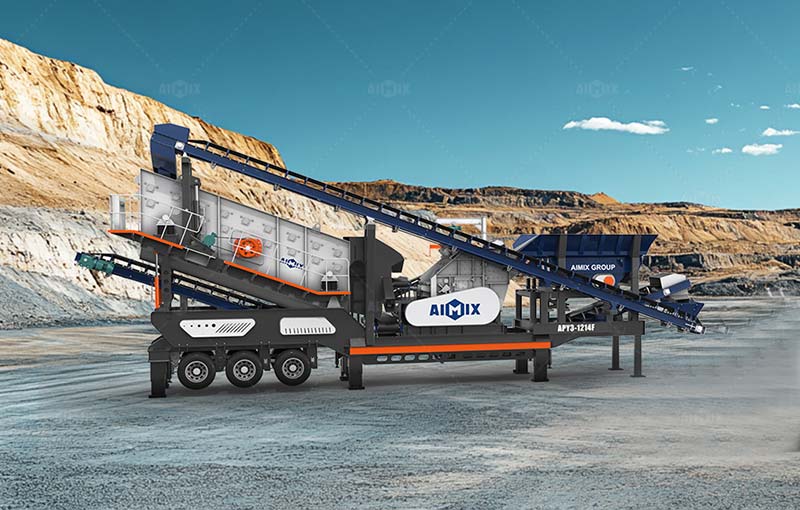
Conclusion
The productivity of a mobile crushing plant is ultimately determined by how effectively its available capacity is used. Rated capacity provides a useful technical reference, but consistent feeding, suitable crusher selection, reliable maintenance, efficient material handling, and coordinated site management determine real-world output. Whether using a mobile jaw crushing plant, mobile cone crushing plant, or mobile impact crushing plant, operators can often achieve greater profitability by improving utilization before simply increasing equipment capacity.