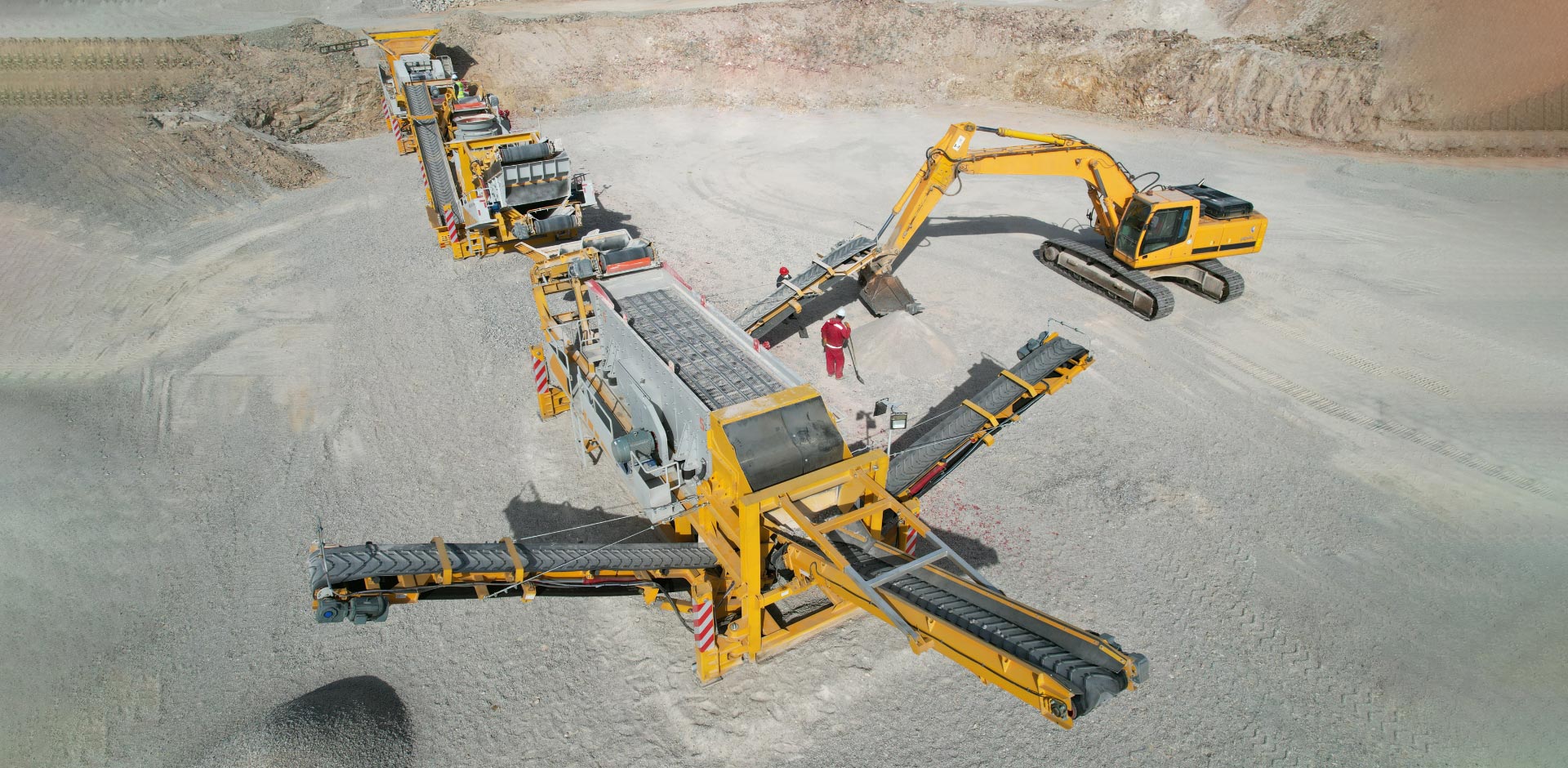
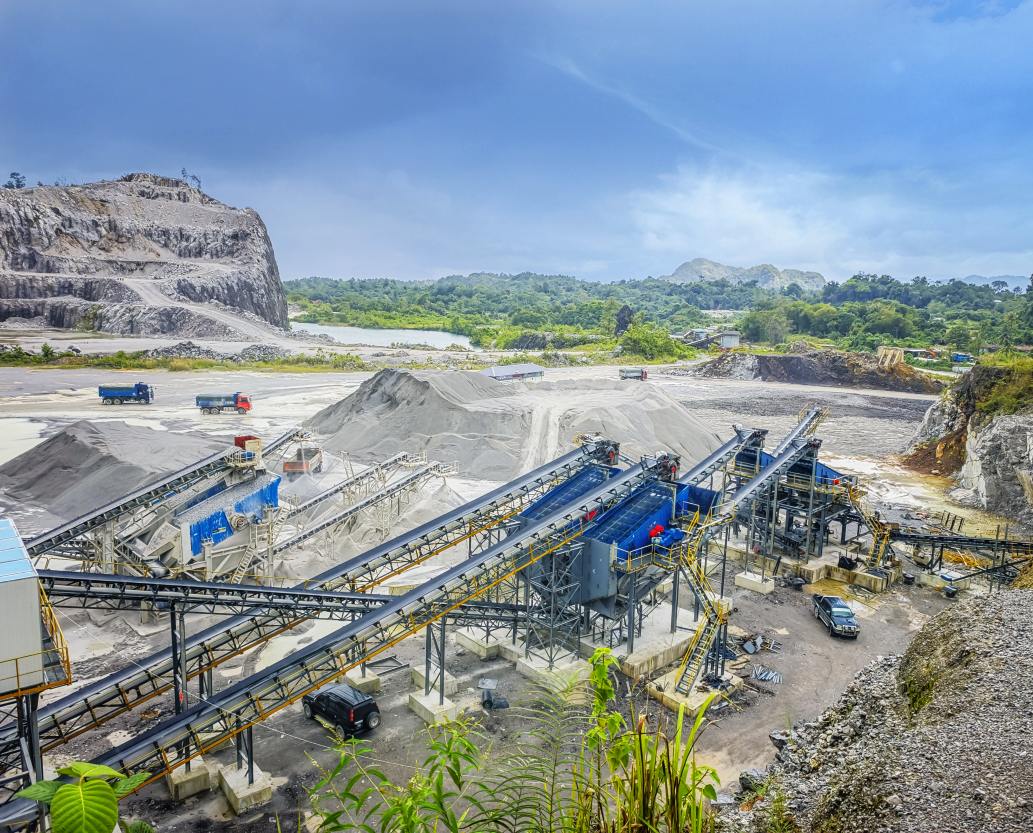
As the availability of natural river sand continues to decline and environmental regulations become more stringent, manufactured sand (M sand) has become an increasingly important alternative for the construction industry. Produced from hard rocks such as granite, basalt, limestone, and river pebbles, artificial sand offers consistent quality, controlled grading, and reliable supply for concrete, asphalt, and infrastructure projects. A complete production line combines a rock sand making machine with efficient screening and washing equipment to ensure that the final product meets engineering standards.
Modern sand production plants are designed to maximize resource utilization while minimizing waste. From raw material feeding to final sand storage, every stage plays a critical role in producing high-quality manufactured sand. By integrating advanced crushing technology, precise screening systems, and efficient sand making and washing processes, producers can achieve stable production capacity and superior aggregate quality.
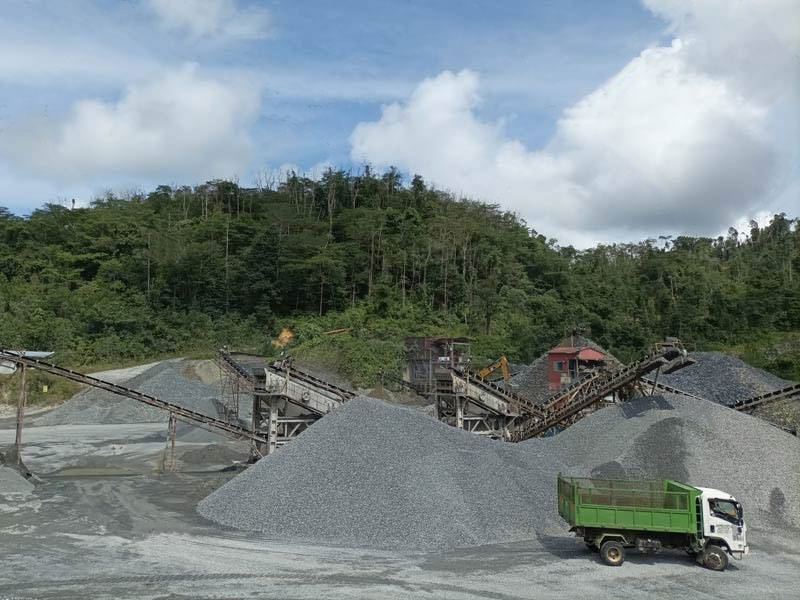
Step 1: Raw Material Selection and Feeding
The first step in artificial sand production is selecting suitable raw materials. Hard and durable rocks such as granite, basalt, quartz, limestone, and gneiss are commonly used because they provide excellent mechanical strength and produce durable sand particles.
After blasting or excavation, the raw rock is transported to the production plant. A vibrating feeder delivers the material evenly into the primary crusher while removing fine soil and impurities that could reduce crushing efficiency. Uniform feeding is essential because sudden changes in feed volume can overload downstream equipment and decrease production stability.
Step 2: Primary Crushing for Size Reduction
Large rocks cannot enter the sand-making machine directly. Therefore, they first pass through a primary crusher, typically a jaw crusher, where oversized rocks are reduced into medium-sized aggregates.
This initial crushing stage improves material handling and prepares the feed for secondary crushing. The reduction ratio is carefully controlled to minimize unnecessary wear while ensuring that the material is suitable for the next stage of processing.
Step 3: Secondary Crushing for Uniform Feed Material
Following primary crushing, the aggregates are transferred to a secondary crusher, often a cone crusher or impact crusher, depending on material hardness and production requirements.
The purpose of secondary crushing is to produce more uniform aggregate sizes before entering the sand-making stage. Maintaining consistent feed size significantly improves the efficiency of the sand-making machine and helps produce better-shaped finished particles.
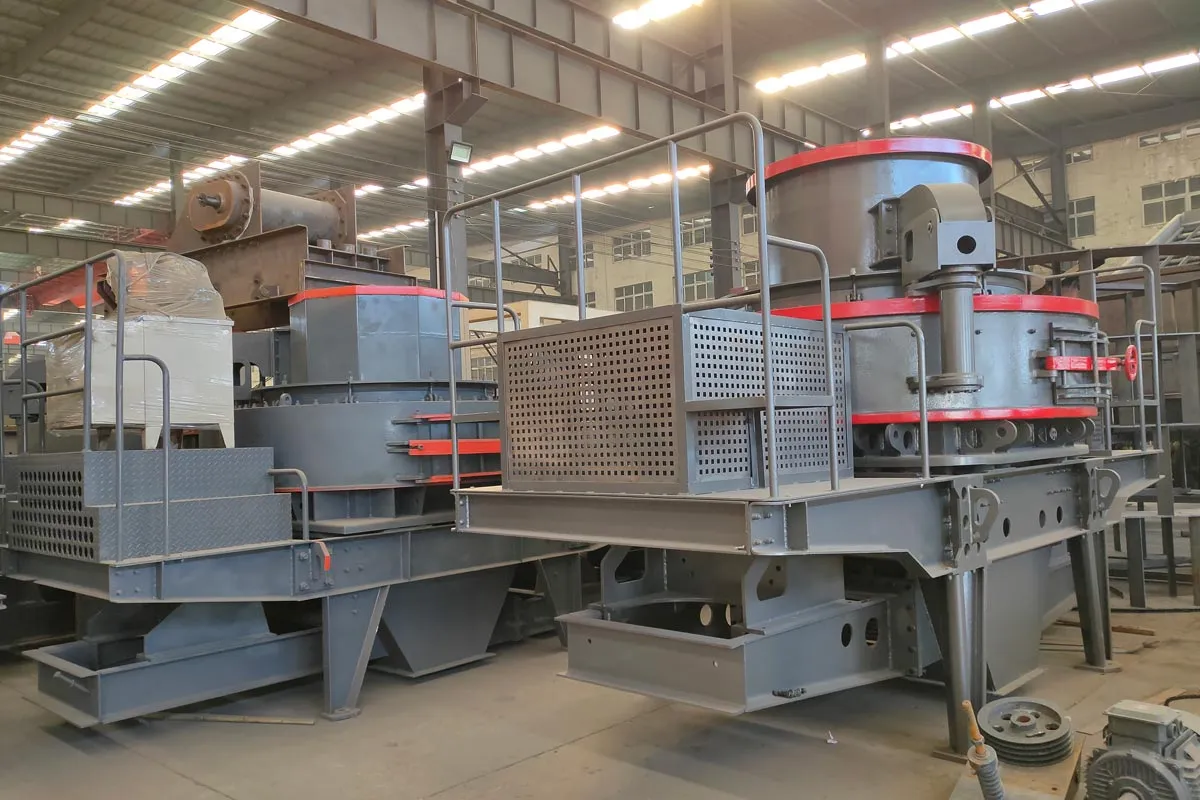
Step 4: Sand Production Using a Rock Sand Making Machine
The core of the production line is the rock sand making machine, which converts crushed aggregates into high-quality manufactured sand. Most modern plants use a VSI M sand machine because of its excellent shaping capability and high production efficiency.
A VSI M sand machine operates on the principle of high-speed impact. Material enters the rapidly rotating rotor and is accelerated before striking the crushing chamber or rock lining at high velocity. The repeated impact fractures the particles and produces cubical sand with smooth surfaces and excellent grading characteristics.
Compared with traditional crushing methods, VSI technology generates a higher percentage of well-shaped particles while reducing flaky and elongated materials. These characteristics improve concrete workability, packing density, and compressive strength.
Step 5: Screening for Particle Size Classification
After leaving the rock sand making machine, the material passes through a vibrating screening system. The screen separates particles into different size fractions according to project specifications.
Oversized particles are returned to the sand-making machine for further crushing through a closed-circuit system, while qualified manufactured sand moves forward to the washing stage. This recirculation process improves production efficiency and minimizes material waste.
Proper screen selection and accurate mesh sizes are essential for maintaining consistent product quality. High screening efficiency also reduces unnecessary recirculation and increases overall plant productivity.
Step 6: Sand Making and Washing Process
The sand making and washing stage is crucial for producing clean, high-quality manufactured sand. Although crushing and screening determine particle size and shape, washing removes dust, stone powder, clay, and other unwanted impurities.
Modern sand washing equipment typically includes wheel sand washers, spiral sand washers, or integrated washing and recycling systems. Water is used to separate fine contaminants while preserving valuable sand particles.
Many advanced plants also incorporate fine sand recovery systems that capture ultra-fine particles from wastewater. This not only increases production yield but also reduces environmental impact by minimizing material loss and water consumption.
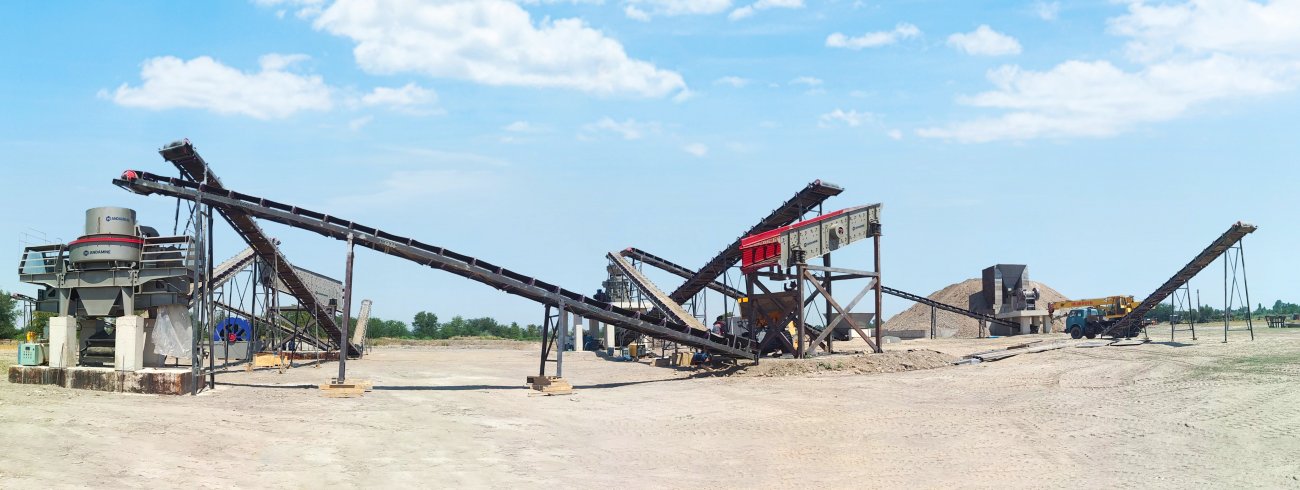
Step 7: Dewatering and Finished Sand Storage
After washing, the manufactured sand passes through dewatering equipment to reduce moisture content before storage. Dewatering screens remove excess water efficiently, making the finished product easier to transport and use in concrete production.
The cleaned sand is then conveyed to stockpiles or storage silos according to particle size and application requirements. Proper stockpile management helps prevent contamination and maintains consistent product quality throughout the supply process.
Automation and Intelligent Control Systems
Modern artificial sand plants increasingly integrate intelligent automation technologies to improve production stability. Sensors monitor crusher load, rotor speed, screen performance, material flow, and water consumption in real time.
Centralized PLC control systems automatically adjust equipment parameters to optimize production efficiency while reducing energy consumption. Operators can monitor the entire production line remotely, identify operational abnormalities quickly, and schedule preventive maintenance before equipment failures occur.
These smart control systems increase plant reliability while lowering labor requirements and operational costs.
Benefits of a Complete Artificial Sand Production Line
A well-designed production line combining a rock sand making machine, efficient screening equipment, and integrated sand making and washing systems provides numerous advantages.
- Consistent particle size distribution for concrete and asphalt production
- Excellent cubical particle shape produced by the VSI M sand machine
- Higher production efficiency through closed-circuit crushing
- Reduced material waste with fine sand recovery systems
- Lower operating costs through intelligent automation
- Improved environmental performance with water recycling and dust control
- Stable product quality that meets engineering specifications
Conclusion
A complete artificial sand production process requires more than a single crusher. By integrating a high-performance rock sand making machine, efficient screening equipment, advanced VSI M sand machine technology, and reliable sand making and washing systems, manufacturers including Andamine can produce premium-quality manufactured sand for a wide range of construction applications. Careful equipment selection, optimized process design, and intelligent automation not only improve production efficiency but also ensure consistent product quality, lower operating costs, and sustainable long-term operation in today’s competitive aggregate industry.