Accra’s skyline is a testament to transformation. Cranes punctuate the horizon, new residential estates sprawl toward Tema, and commercial developments reshape neighborhoods that were, a mere five years ago, considered peripheral. Ghana is experiencing a construction boom of considerable magnitude, fueled by infrastructural investments, a growing middle class, and the gravitational pull of urbanization. Yet beneath the optimism of this building renaissance lies a sobering reality for contractors, developers, and project owners: the cost of concrete—the very lifeblood of construction—has become increasingly volatile.
At the heart of this volatility sits the concrete mixer, a machine whose price in the Ghanaian market now exerts an outsized influence on project feasibility, cash flow, and ultimately, the viability of developments large and small. Understanding the current pricing landscape for these essential machines is no longer a matter of procurement logistics; it is a strategic imperative that separates projects that are delivered on budget from those that stall before the foundation is poured. The interplay between exchange rate fluctuations, import duties, availability of financing, and the relentless demand for housing and infrastructure has created a market where the price of concrete mixer in ghana can determine whether a development proceeds or pauses.
The Current Pricing Landscape for Concrete Mixers in Ghana
The Ghanaian market for concrete mixers is bifurcated into distinct tiers, each with its own pricing dynamics and implications for project budgeting. At the entry level, small-capacity mixers—typically the 350-liter to 500-liter drum mixers manufactured in China or India—dominate the residential and small-contractor segment. These machines, readily available from equipment dealers in Accra, Kumasi, and Takoradi, currently range between GHS 25,000 and GHS 45,000 depending on engine type, brand reputation, and whether the unit is new or refurbished.
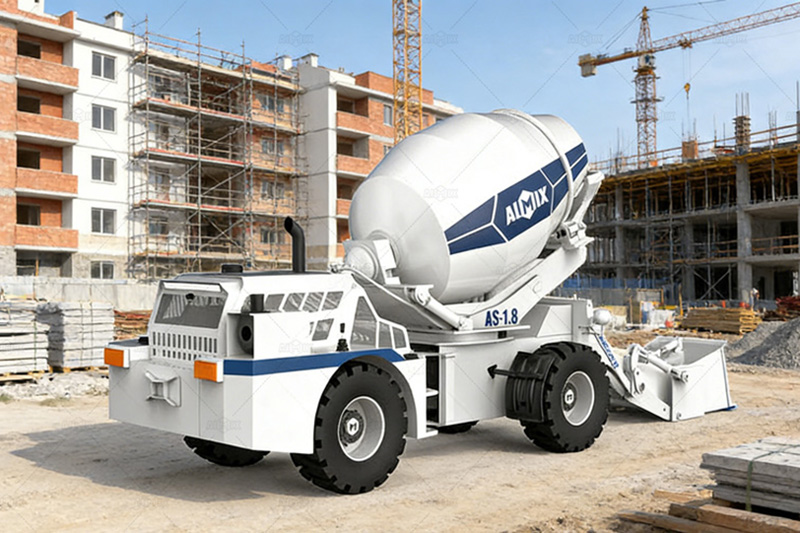
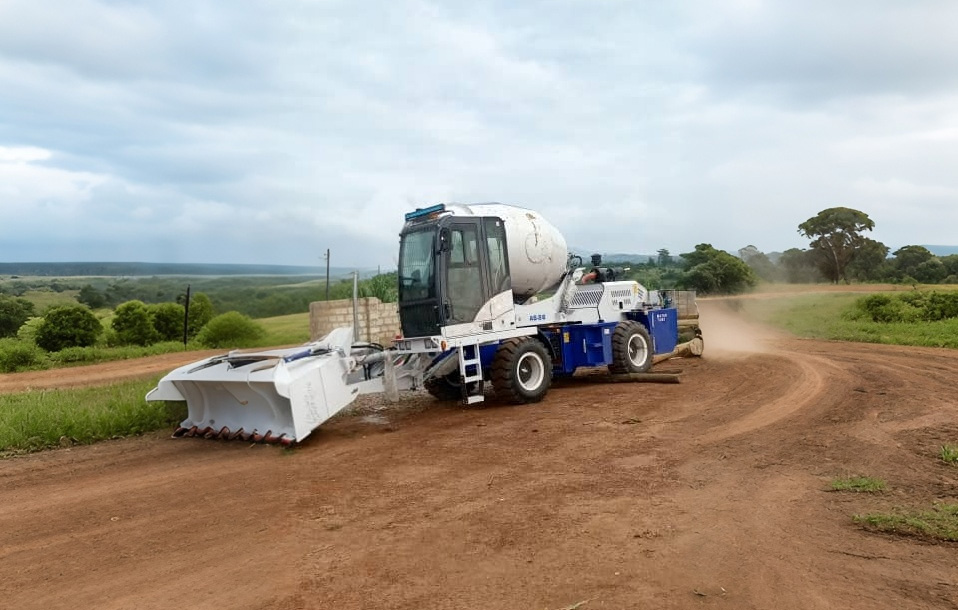
For medium-scale contractors handling commercial buildings, road works, or multi-unit housing developments, the mid-tier segment—comprising 1-cubic-meter and 2-cubic-meter self-loading mixers—has become the equipment of choice. These machines, which combine loading, batching, and mixing functions into a single mobile unit, command prices between GHS 180,000 and GHS 350,000. The wide price variance reflects differences in engine quality (Perkins and Deutz engines command significant premiums over domestic Chinese powerplants), hydraulic system sophistication, and whether the machine includes weigh batching technology. At the apex of the market, truck-mounted transit mixers—essential for large commercial projects and ready-mix suppliers—represent investments ranging from GHS 800,000 to GHS 1.5 million for new units. Used European and Japanese imports, while less expensive, carry their own risks and require careful inspection. What unites all these tiers is their sensitivity to currency volatility; with the cedi’s fluctuations against the dollar and yuan, self loading concrete mixer price quoted in local currency can shift within weeks, creating a procurement environment where timing is as critical as price negotiation.
How Equipment Costs Translate into Concrete Pricing and Project Margins
The relationship between mixer prices and project budgets is not direct but mediated through the cost structure of concrete production itself. For contractors who own their equipment, the purchase price must be amortized across the productive life of the machine, typically calculated over five to seven years of operation. This amortization, combined with maintenance costs, fuel consumption, and operator wages, forms the baseline cost per cubic meter of concrete produced. When mixer prices rise by 20 to 30 percent due to exchange rate pressures or supply chain disruptions, the amortization component of that cost structure increases correspondingly, narrowing margins on fixed-price contracts. For contractors who rely on equipment rental or hire-purchase arrangements, the impact is more immediate. Rental rates for mixers have climbed in tandem with purchase prices, with a mid-sized self-loading large concrete mixer for sale now commanding daily rental rates between GHS 2,500 and GHS 4,000 depending on location and duration. These rental costs, when projected across a six-month housing project or a year-long road contract, can consume a substantial portion of the anticipated profit margin. Developers who enter contracts without securing equipment costs—either through ownership, long-term rental agreements, or indexed pricing clauses—find themselves vulnerable to mid-project cost escalations that can transform profitable ventures into loss-making obligations. The prudent project budget, therefore, must treat concrete mixer costs not as a simple line item but as a variable requiring explicit risk management.
Procurement Strategies for Managing Equipment-Related Budget Risk
Navigating the current market demands procurement strategies that extend beyond traditional supplier relationships. One approach gaining traction among Ghanaian contractors is the strategic timing of equipment purchases aligned with currency stabilization windows. While predicting cedi movements remains speculative, purchasing during periods of relative stability—typically following the release of oil revenues or during the first quarter when forex liquidity improves—can yield meaningful savings. Another emerging strategy involves consortium purchasing, where several small contractors pool resources to acquire equipment collectively, sharing ownership or rotating usage across projects. This model reduces individual capital exposure while ensuring that equipment is utilized productively rather than sitting idle. For larger developers with sustained project pipelines, negotiating lease-to-own arrangements with equipment suppliers offers a middle path between outright purchase and daily rental. These agreements typically require a substantial down payment—often 30 to 40 percent of the machine’s value—with fixed monthly installments over 12 to 24 months, providing cost certainty while gradually building equity in the equipment. Finally, the specification of mixers must be calibrated to the actual demands of the project portfolio. Over-specifying—purchasing a large-capacity self-loading mixer for a project that could be served by two smaller drum mixers—ties up capital unnecessarily, while under-specifying leads to productivity bottlenecks that drive up labor costs and extend project timelines. A careful analysis of projected concrete volumes, pour schedules, and site accessibility should inform the selection of both machine type and capacity.
Long-Term Implications for Project Viability and Industry Structure
The sustained elevation of concrete mixer prices is reshaping the structure of Ghana’s construction industry in ways that will have lasting implications for project viability. The capital intensity of equipment acquisition is creating a bifurcated market: larger firms with access to credit facilities and established supplier relationships are consolidating their position, acquiring fleets that allow them to self-perform concrete production at predictable costs. Smaller contractors, unable to absorb the upfront capital requirements or the risk of currency exposure, are increasingly relegated to subcontracting roles or are exiting the market entirely. This consolidation, while potentially improving quality standards and safety practices, also reduces competition and may contribute to upward pressure on construction prices over the medium term. For project owners—whether government agencies procuring infrastructure or private developers building residential estates—this changing landscape requires a recalibration of expectations. Contingency provisions that once allocated five percent for equipment-related risks may no longer suffice in a market where a ten percent currency shift can translate into a twenty percent equipment price increase. Successful project delivery now depends on early engagement with the supply chain, securing equipment commitments before finalizing budgets, and structuring contracts that allow for cost adjustments in response to significant currency or market movements. The construction boom continues, but those who navigate it successfully will be those who understand that the price of concrete mixers is not merely a procurement detail but a fundamental determinant of whether a project breaks ground or breaks the bank.